Big Collections, Small Spaces: Stamp Album Hacks That Truly Fit
Welcome! Today we dive into stamp album hacks for small spaces, sharing clever, proven tactics that protect delicate paper treasures while reclaiming precious square centimeters. You will find thoughtful storage ideas, smart cataloging shortcuts, and nimble display approaches that respect humidity, light, and daily life. Whether you live in a studio or simply prefer minimal clutter, you can keep your collection accessible, safe, and joyfully present without sacrificing comfort or style.
Start With a Space Map
Before buying a single shelf or binder, map your home like a curator. Walk room by room with a notebook, noting dead zones above doorways, slim cavities beside wardrobes, cool corners away from heaters, and paths you actually use. Identify humidity-prone areas to avoid, especially kitchens and bathrooms. This quick audit clarifies what’s possible, prevents wasted purchases, and helps you decide which albums deserve prime access and which belong in carefully controlled, less-trafficked storage.
Slimline Album Strategies That Save Centimeters
When space is tight, bulky volumes become the enemy. Slimline stockbooks, half-depth binders, and lighter interleaving shave centimeters without sacrificing organization. Focus on materials first: archival, acid-free, and lignin-free pages paired with inert sleeves protect while minimizing bulk. Consolidate duplicates, offload damaged pages, and group by true use rather than tradition. The result feels delightfully portable, easier to browse, and surprisingly expansive, even inside a compact apartment or shared living space.


Shallow Ledges with Safety Lips
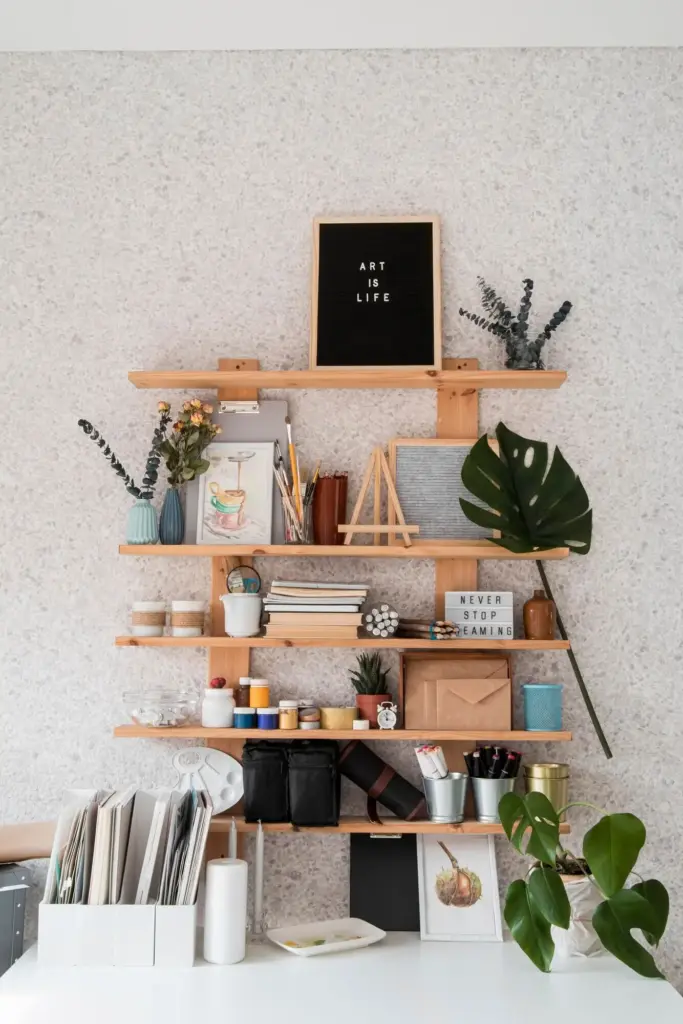
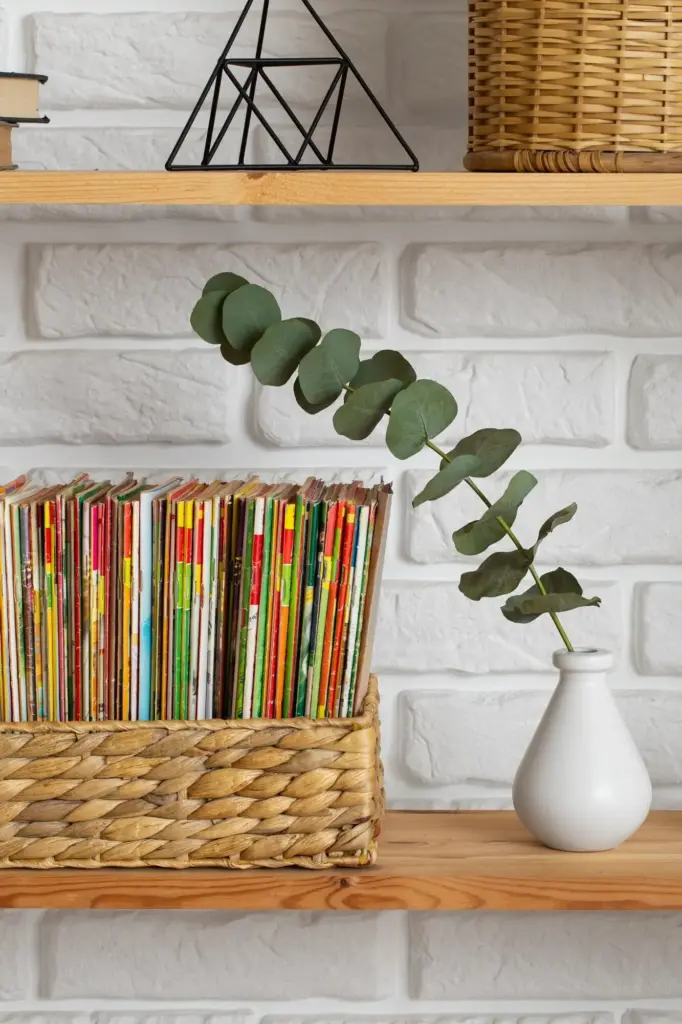
Install narrow, well-anchored ledges with a subtle front lip to guard against accidental knocks. Keep depth modest to avoid tempting heavy stacking, and space shelves to match your binder heights precisely. Add discreet bookends or non-slip pads beneath albums. Place the entire system away from direct sun and radiators. Done carefully, these ledges transform narrow hallways and alcoves into quiet, organized corridors of culture, giving each binder a dignified, easily accessible seat.
Back-of-Door Rails and Pockets
Over-the-door systems can carry archival-safe pockets or slim binder rails without drilling walls. Select sturdy hardware that closes cleanly without scraping spines. Keep only lighter volumes here, and add a soft felt strip where contact occurs. If humidity fluctuates near the door, place a tiny desiccant pouch within each pocket. This clever zone becomes a grab-and-go station for your current research focus, freeing desk surfaces and reclaiming precious tabletop breathing room instantly.
Pegboard Library for Tools and Albums
A finished pegboard turns blank wall into a modular studio. Hang tweezers, tongs, magnifiers, UV lamps, watermark trays, and envelopes in labeled cups, leaving a few sturdy brackets for slim binders or portfolios. Combine with small closed bins for hinges and mounts. Keep a microfiber cloth clipped for quick dust control. With everything visible yet contained, you reduce rummaging, protect fragile pages from accidental piles, and preserve desk space for relaxing, focused browsing sessions.
Display Beautifully, Protect Carefully

Coffee-Table Portfolios with Purpose
Choose a slim, archival portfolio designed to live on a coffee table or shelf with a protective slipcase. Inside, spotlight one or two concise narratives: airmail routes, engraved portraits, or definitive redesigns. Rotate monthly to reduce handling and light exposure. Tuck a tiny microfiber cloth and gloves inside the case to encourage gentle viewing. Guests engage effortlessly, you enjoy frequent micro-celebrations, and the albums on the wall remain light, comfortable, and clutter-free.

UV-Safe Shadow Boxes You Can Rehang
Frame occasional highlights using UV-filter acrylic and acid-free mounts, leaving space so nothing presses the paper. Install removable hanging strips to rehome frames easily away from seasonal sunlight. Capture a quick before-and-after photo each time you rotate pieces, maintaining a condition diary. Keep exposure brief, then return pages to albums. This method balances storytelling and stewardship, allowing you to share rare engravings and colorful commemoratives while preventing harmful, cumulative light damage.

A Rotating Mini-Gallery Schedule
Create a simple rotation plan using calendar reminders: two weeks displayed, eight weeks resting in albums. Note humidity and temperature during display periods, and store the frame with silica gel when off the wall. Invite friends to suggest next subjects and share their stamp stories in comments or messages. You foster community, avoid overexposure, and maintain energy without overcrowding walls, proving that thoughtful curation thrives even in the smallest city apartments.

Under-Bed, Modular, and Mobile Solutions
The quiet landscape beneath a bed can host a reliable, climate-minded archive. Choose low-profile rolling drawers with smooth bearings, gasketed lids, and desiccant indicators. Stack archival shoeboxes by consistent size to prevent awkward gaps. Add tough corner labels and contrasting color bands for quick navigation in dim corners. A slim cart or caddy can shuttle active albums between storage and desk, ensuring your work surface resets cleanly after each satisfying session.
Digitization and Preservation Routines for Tight Quarters
Digitizing strategically reduces clutter while strengthening stewardship. A good scan captures details for research, insurance documentation, and sharing, yet the physical page remains the heart. Pair a simple scanning workflow with stable microclimate habits: consistent temperature, controlled humidity, and dust discipline. Keep pest attractants away, ventilate gently, and schedule brief condition checks. With lightweight routines and a friendly catalog, your small home becomes surprisingly capable of caring for significant, story-rich collections.
All Rights Reserved.