Shielding Stamp Treasures Under the Bed and in the Closet
Today we explore under-bed and closet archival solutions for postage collections, translating museum-grade conservation ideas into practical, discreet home setups. We focus on inert enclosures, quiet microclimate control, dust and light barriers, vibration damping, and smooth access routines, so your albums and covers remain stable, research-ready, and beautiful for decades. Expect hands-on tips, maintenance schedules, cautionary tales, and simple upgrades you can complete in an afternoon. Share your own clever builds, ask questions, and help fellow collectors preserve the stories carried by every tiny printed square.
Plan the Space, Protect the Value
Map Your Home’s Microclimates
Spend a week observing the quiet corners where you intend to store albums. Use a simple hygrometer and thermometer to track daily highs and lows, noticing which drawers or floors feel cool, damp, or warm. Avoid spots near radiators, heating ducts, exterior doors, or uninsulated flooring. Under a bed above a basement may be chilly yet stable; a hallway closet might swing quickly. Choose the calmest place, then design boxes and buffers to make gentle conditions even gentler.
Measure Clearances and Smooth Access
Low-profile solutions only work if you can slide them freely without jolts. Measure the floor-to-bed frame height, rug thickness, and any center support legs that could snag. Sketch a path from storage to your workspace, ensuring turns are wide and thresholds are smooth. Label the planned footprint, leaving room for airflow at the sides and back. Good measurements prevent crushing lids, scuffed corners, and rushed movements that wrinkle pages or bend mounts during hurried retrievals.
Assess Everyday Hazards
Most damage happens because of ordinary life, not disasters. Pets chase toys under beds, cleaning crews bump boxes, and children hide treasures in closets. Identify these risks and negotiate boundaries early. Add bump stops, discreet locks, or furniture pads that discourage casual nudges. If water pipes run above, avoid directly below and consider a high shelf. If a window throws a morning beam, block light leaks. Protection is thoughtful anticipation rather than constant worry.
Boxes, Binders, and Lids That Do No Harm
Select rigid, acid-free boxes sized so albums do not rattle or bow. A snug lid reduces dust while allowing gentle airflow. If you prefer binders, use archival boards, metal hardware with corrosion resistance, and slipcases that block light. Add inert spacers so volumes stand truly vertical, avoiding spine stress. Label boxes on the short side for tight spaces. When in doubt, request material specs from vendors and keep receipts, so replacements match your proven system perfectly.
Sleeves, Mounts, and Hinges That Stay Stable
Use polyester or polypropylene stamp mounts and sleeves without plasticizers, avoiding PVC at all costs. Choose hinges sparingly, and only those designed for philatelic use, tested for clean reversibility. Interleave album pages with buffered or unbuffered tissue depending on inks and envelopes. Do not stack raw plastic against fresh gum. Minimize adhesives near perforations, and never laminate. A cautious approach to enclosures prevents ghosting, sticking, and chemical migration that quietly erode value over time.
Conditioning the Air Safely
Silica gel packets, conditioned to about 40–50% relative humidity, can help stabilize small enclosures. Use indicator cards to monitor changes, rotating packets in an oven or airtight container as needed. Avoid scented absorbers and reactive deodorizers. Oxygen scavengers may be useful for specific ephemera but require careful oversight. Remember that these aids supplement, not replace, good placement and insulation. Keep records of packet refresh dates, so the microclimate remains predictable rather than a hopeful guess.
Materials That Respect Paper and Ink
Archival safety begins with chemistry. Choose boxes, sleeves, and papers verified as acid-free and lignin-free, with stable plastics that do not off-gas. Understand when buffered paper helps and when unbuffered is safer for sensitive items. Favor polyester, polypropylene, or polyethylene sleeves over PVC. Avoid pressure-sensitive tapes near artwork or cancellations. The right materials create a neutral cocoon that resists time, humidity shifts, and accidental handling errors, preserving colors, gum integrity, and postal history ephemera with quiet reliability.
Under-Bed Builds That Glide, Guard, and Disappear
A well-built under-bed platform protects albums while staying nearly invisible. Low profiles reduce dust exposure and discourage curious hands. Add side rails or bump stops to prevent deep pushes that crumple corners. Smooth-rolling casters or sliders minimize vibration, while felt pads cut noise. A lightweight lid or shroud blocks light and sneaky drafts. With careful measurements and soft-close motion, you can pull out an entire collection smoothly, review stamps at a table, and tuck everything away without fuss or fear.
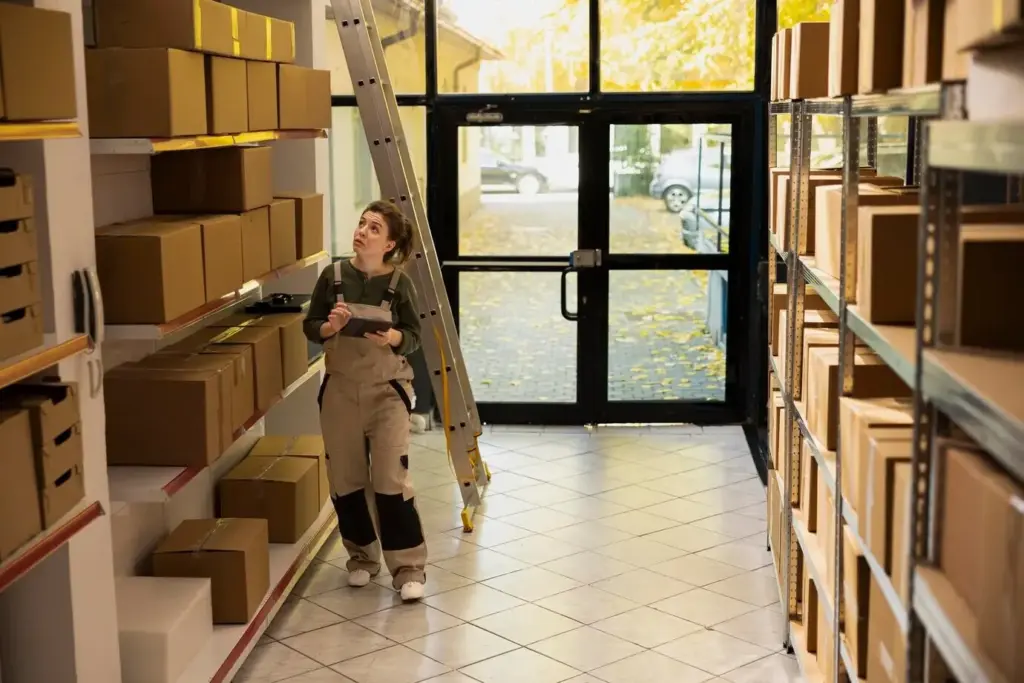
Low-Profile Platforms With Stops
Construct a shallow tray from sealed plywood or inert composite, using rounded edges and countersunk screws. Install front and rear stops to prevent boxes from colliding with bed legs or drywall. Line the base with closed-cell foam to cushion sudden motions, then add a washable fabric liner that traps dust. Test glide distances fully loaded before finalizing placement. The result moves predictably, protects corners, and keeps albums aligned, reducing micro-shocks each time you slide the platform in or out.

Light and Dust Proofing For Peace of Mind
Even under beds, light sneaks through. Use a tight-knit, non-shedding fabric shroud or a fitted lid with felt seals along the edges. Consider a dark, breathable textile that reduces reflection while allowing mild airflow. Add a simple front flap with hidden magnets for quick access. Combine with vacuuming schedules and a no-shoes bedroom rule to reduce grit. These small barriers keep pages clean, prevent fading from stray beams, and discourage pests seeking quiet lint-filled corners.
Closet Setups With Calm, Consistent Conditions
Closets offer vertical stability and visual discretion, but they vary widely. Favor interior walls away from water heaters, bathrooms, and exterior temperature swings. Use sturdy shelves with minimal flex, and ensure albums stand upright with supportive slipcases or dividers. Consider louvered doors or a cracked opening for gentle airflow, and place silica gel canisters on each shelf with indicator cards. With careful load distribution and light-tight storage, closets become serene vaults where stamps patiently wait for their next appreciative viewing.
Access, Handling, and Cataloging Without Stress
Protection includes how you interact with your collection. Structure sessions so retrieval and return happen in slow, repeatable steps. Keep clean hands or cotton gloves ready, and give every album a safe landing zone. Establish labeling that guides you directly to the right box without rummaging. Digitize rare items so casual viewing happens on screens, not original leaves. With thoughtful organization and gentle handling, research becomes satisfying, social sharing becomes easier, and every stamp lives a quieter, longer life.
Care Routines, Stories, and Community Support
Preservation thrives on consistency and shared experience. Establish a calendar for inspections, desiccant reconditioning, and light vacuuming under beds or along closet floors. Keep a small kit ready: microfiber cloth, indicator cards, spare sleeves, and gloves. Learn from other collectors’ successes and missteps, and share your own adjustments generously. Invite questions, trade storage diagrams, and celebrate resilient solutions. When community knowledge grows, your stamps benefit quietly, basking in conditions shaped by hundreds of careful eyes and kind intentions.
A Leak, a Bed, and a Saved Album
One collector reported a slow ceiling leak after a storm. Under-bed boxes sat on a shallow rolling tray with raised edges, unintentionally catching drips that traveled along a floorboard seam. Albums remained dry; only the tray needed wiping. That near-miss inspired a permanent waterproof liner, a moisture alarm, and a quarterly ceiling check. Small layers of redundancy, often added for convenience, can become heroes when ordinary imperfections suddenly align in the wrong direction.
Closet Success in a Sticky Summer
In a humid apartment, a louvered-door closet with buffered interleaving and rotated silica gel kept pages flat while nearby rooms felt muggy. A quiet fan in an adjacent hallway, set to low, encouraged mild circulation through the slats without direct drafts. Logs showed narrower humidity swings, and color intensity remained crisp. The owner now refreshes desiccants at the start of each storm season, far ahead of problems. Simple routines consistently outpace dramatic, last-minute rescues.
All Rights Reserved.