Unfold Creativity: A Portable Stamp Workstation for Apartment Life

Today we dive into building a portable, foldaway stamp workstation for apartment living, guiding you through compact layouts, lightweight materials, quiet tools, and swift routines so creativity unfolds gracefully, then disappears into a cabinet, closet, or under-bed nook without clutter, conflict, or compromise. Expect practical cut lists, ergonomic tips, storage hacks, and stories from real small homes to help you craft confidently, share progress, and invite conversation about solutions that respect neighbors, roommates, and limited square footage while keeping artistry vibrant and ready.

Small-Space Strategy and Layout

Apartment life rewards intentional design. Before you buy a hinge or cut a panel, map where the workstation will live, open, and stow. Think about door swing, hallway bottlenecks, outlet placement, glare, and how late-night stamping affects neighbors. A deliberate layout prevents conflict, protects fragile supplies, and turns cleanup into a two-minute ritual that sustains creativity. Visualize the folded footprint, unfolded reach, and how every inch supports comfort, quiet, and flow.

Materials and Tools That Travel Well

Choose materials that balance weight, strength, and cost so you can lift, roll, and fold daily without fatigue. Thin birch plywood, honeycomb panels, and aluminum angles keep structures stiff yet manageable. Quiet hand tools and compact, low-decibel equipment help maintain harmony indoors. Opt for corrosion-resistant hardware and rounded edges to protect fabrics during storage. Pack everything into modules that latch securely, preventing damage to delicate rubber, polymer, or photopolymer stamps as your station moves around the apartment.

Panel Choices: Birch Ply vs. Honeycomb

Baltic birch ply resists warping and takes screws beautifully, ideal for hinges and threaded inserts. Honeycomb panels weigh less but need edge framing for hardware. If you lift the workstation often, consider honeycomb doors with hardwood rails. Seal surfaces with water-based polyurethane to resist ink stains and moisture. Compare samples for rigidity, cost, and finish. The right panel choice directly affects portability, stability, and how pleasant the workstation feels when opened and closed repeatedly.

Folding Hardware Without Pinch Points

Continuous piano hinges yield smooth action, while torsion hinges can hold wings level without clunky brackets. Add soft-close lid supports where fingers wander. Use low-profile, recessed pulls to avoid snagging sleeves or bags during stowage. Magnetic catches maintain alignment without slamming, and removable pins enable quick disassembly for moves. Test hardware with gloves to verify there are no pinch zones. Hardware choices determine both long-term reliability and immediate confidence when you deploy the station quickly.

Tool Curation: Only What Earns Its Weight

Every tool should justify itself with multi-use value. A single sharp craft knife, a small brayer, two versatile acrylic blocks, a bone folder, and a compact metal ruler do most tasks. Keep duplicate inks minimal and pick hybrid pads that stamp crisp lines and tolerate watercoloring. Include a small cutting mat and foldable drying rack. Store micro brushes, tweezers, and a pen-style adhesive eraser in a zip pouch. Less weight means effortless setup and quick, stress-free cleanup nightly.

Modular Storage for Stamps, Inks, and Essentials
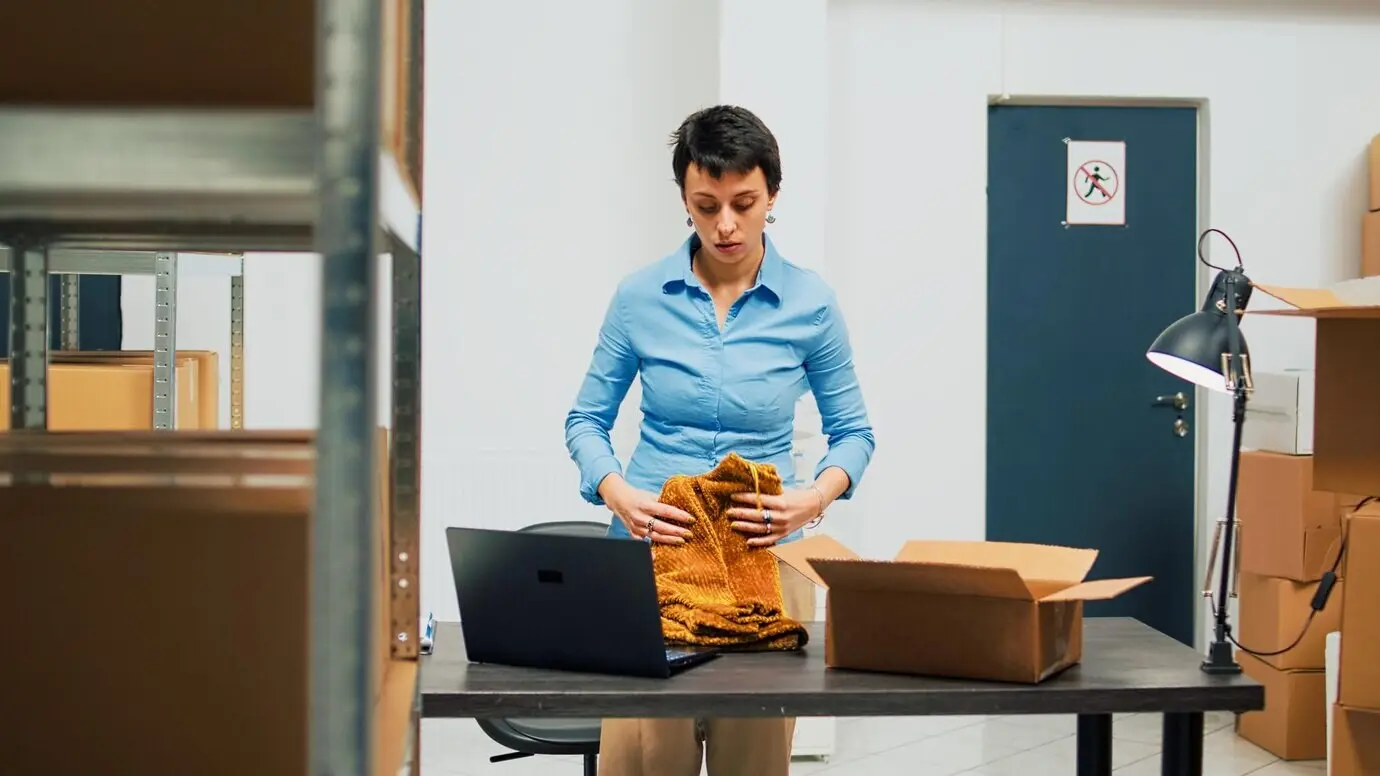
Smart storage preserves stamp detail, prevents ink leaks, and speeds creative flow. Design trays that slide into the folded carcass, with foam nests for fragile sets and index tabs for instant identification. Choose clear boxes that reveal color families, and gasketed containers for travel days. Integrate a slim drawer for cleaning cloths and stamp conditioners. Every module should dock securely with labels facing forward, so you can build, stamp, and stow without hunting or second-guessing organization ever again.

Build Plans: From Sketch to Compact Reality

Turn ideas into a reliable workstation with a simple, modular plan. Draft a cut list aligned to standard sheet sizes, pre-drill for hardware, and dry-fit before finishing. Mark hinge centers with tape to prevent drift. Reinforce load-bearing edges, then sand everything silky to protect fabrics when folded. Finishing steps include sealing, labeling, and balancing weight distribution. With patient sequencing, the workstation becomes a satisfying, portable companion that opens square, closes flush, and rolls or lifts gracefully every single time.

Ergonomics and Health in a Foldaway Setup

Standing or Sitting: Finding the Sweet Height

Determine your preferred stance by testing with books stacked to simulate surface height. For standing work, a counter height around elbow level protects wrists during pressing. For seated work, ensure knees clear storage modules and feet rest flat. Consider a folding stool that slides into the station. Record heights directly on panels for quick setup. Your body remembers comfort, and repeatable ergonomics keep sessions enjoyable, accurate, and pain-free while preserving energy for creative decisions that truly matter.

Hand Comfort: Pressure, Vibration, and Recovery

Determine your preferred stance by testing with books stacked to simulate surface height. For standing work, a counter height around elbow level protects wrists during pressing. For seated work, ensure knees clear storage modules and feet rest flat. Consider a folding stool that slides into the station. Record heights directly on panels for quick setup. Your body remembers comfort, and repeatable ergonomics keep sessions enjoyable, accurate, and pain-free while preserving energy for creative decisions that truly matter.

Ventilation and Safe Cleaning Habits

Determine your preferred stance by testing with books stacked to simulate surface height. For standing work, a counter height around elbow level protects wrists during pressing. For seated work, ensure knees clear storage modules and feet rest flat. Consider a folding stool that slides into the station. Record heights directly on panels for quick setup. Your body remembers comfort, and repeatable ergonomics keep sessions enjoyable, accurate, and pain-free while preserving energy for creative decisions that truly matter.

Setup, Tear-Down, and Repeatable Rituals
Your workstation shines when deployment is effortless. Create a two-minute checklist for opening, a three-minute checklist for closing, and keep both taped inside the door. Group actions by location to minimize movement. Keep a small timer to cultivate momentum, and end with a quick snapshot of works-in-progress, preserving context for tomorrow. These rhythms protect supplies, respect housemates, and keep creative energy high. A ritualized system turns limited time into reliable progress and remarkably satisfying results.
Roll or lift into position, plug the power strip, clip on lighting, and unlock wings. Place the cutting mat, set out two pads, one block, and a microfiber cloth. Check elbows for clearance, then breathe. A printed checklist prevents second-guessing and reminds you to position the waste jar and water cup. In less than two minutes, you’ll be stamping with clarity, having conserved energy for artistry instead of logistics. Short setups invite more frequent, joyful sessions every week.
Wipe stamps immediately, pat them dry, and return each to its labeled tray. Cap inks, empty the water cup, and coil cords with Velcro ties. Collapse lighting into padded sleeves, ensure magnets seat flush, and spin latches gently until snug. Glide the unit back to its home with wheels locked. A ritualized teardown prevents stains, warping, and stray tools on cushions. Tomorrow’s creativity begins tonight, with everything dry, secure, and memory-anchored to exactly where your hands expect it.
Leave a visible note with next steps clipped to the inside panel: which color to try, which stamp to test, what layer to explore. Keep a pencil and sticky flags ready for mid-session insights. Photograph the layout before closing so re-entry feels immediate. These cues transform interruptions into continuity, reducing cognitive load. When you open the workstation, the previous spark returns instantly, guiding your hands and imagination without hesitation, even after a long day navigating apartment life’s distractions.

A 27-Square-Meter Studio Hosts Postal Art Night

Every Friday, the workstation unfolds near a window, lights clamp in seconds, and three friends gather with postcards and travel stamps. A fold-out wing becomes a serving tray for tea. After an hour, everything wipes clean and disappears into a shallow cabinet. Neighbors hear nothing but laughter. That dependable cycle—open, create, vanish—turns a tiny studio into a welcoming hub, proving that thoughtful portability can sustain community, creativity, and rest in the very same few square meters.

Roommates, Boundaries, and a Weekend Pop-Up Station

In a shared living room, one maker negotiated quiet hours and labeled a rolling station with friendly reminders: headphones, coaster, lint roller, and a promise to stow by ten. The system built trust. When inspiration struck early, a balcony deployment kept peace. The station’s predictable footprint and noise-mitigation pads showed respect, while tidy storage trays impressed everyone. Over months, roommates started contributing found textures, turning boundaries into collaboration and cementing the workstation as a beloved, portable household fixture.
Bbvteknoloji
Privacy Overview

This website uses cookies so that we can provide you with the best user experience possible. Cookie information is stored in your browser and performs functions such as recognising you when you return to our website and helping our team to understand which sections of the website you find most interesting and useful.